Chyavanprash
Unlock natural wellness with a time-tested Ayurvedic immunity booster. Perfect for all age groups, our Chyavanprash keeps you energized, resilient, and ready for whatever the day brings.
Chyavanprash
Unlock natural wellness with a time-tested Ayurvedic immunity booster. Perfect for all age groups, our Chyavanprash keeps you energized, resilient, and ready for whatever the day brings.
What is Chyavanprash?

Why Vaidhakim.com Chyavanprash?
Because it’s made the traditional Ayurvedic way — with real herbs, Sahiwal cow ghee, pure honey, and no shortcuts. Every spoon gives your body genuine strength, natural immunity, and daily wellness you can trust.




Diwali to Basant (October to March)
This period is considered the golden season for Chyavanprash consumption in Ayurveda.
Stronger Digestion
Winter improves digestion, helping the body absorb herbs more deeply.
Higher Immunity Requirement
Cold weather increases the chances of flu, cough, and infections—Chyawanprash strengthens immunity.
Body Needs Warmth & Strength
Its herbal formulation supports stamina, metabolism, and respiratory health in winter months.
Ideal for Rasayana Effect
Ayurveda states that rejuvenation therapies show maximum benefit in Hemant–Shishir seasons
What Happens by Basant (Spring)?
October to March the most effective window for visible results
Amazing Results
Real Experiences. Real Benefits. Real People.


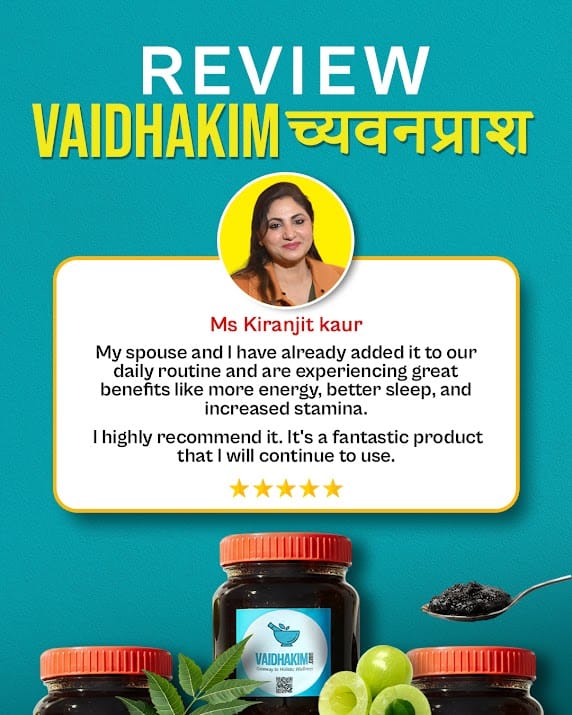
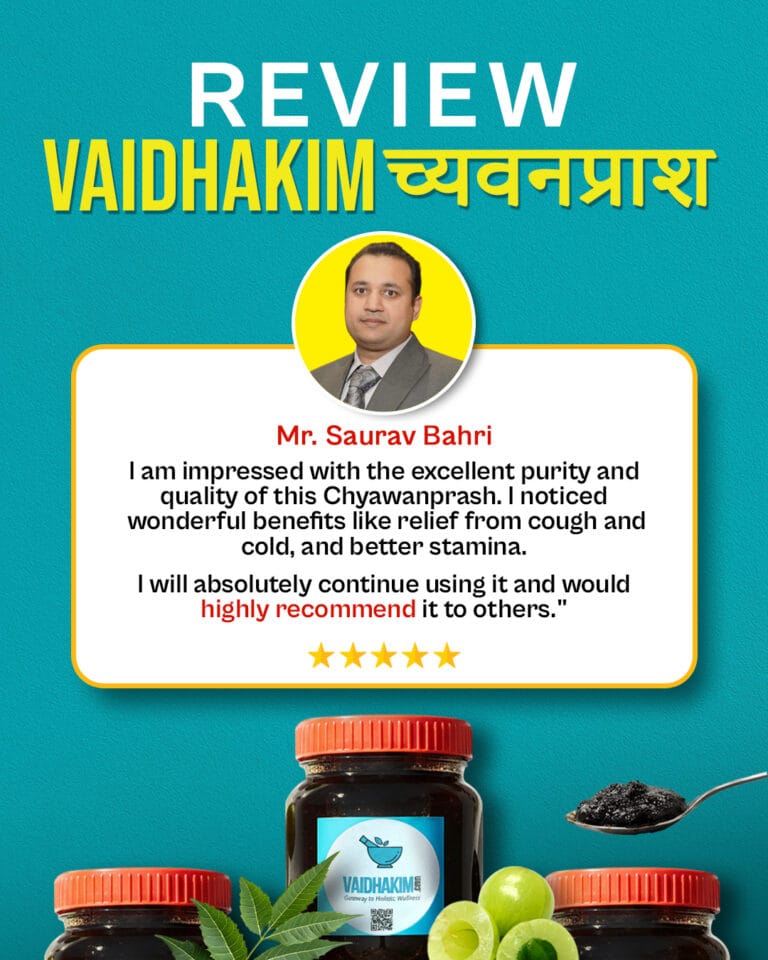
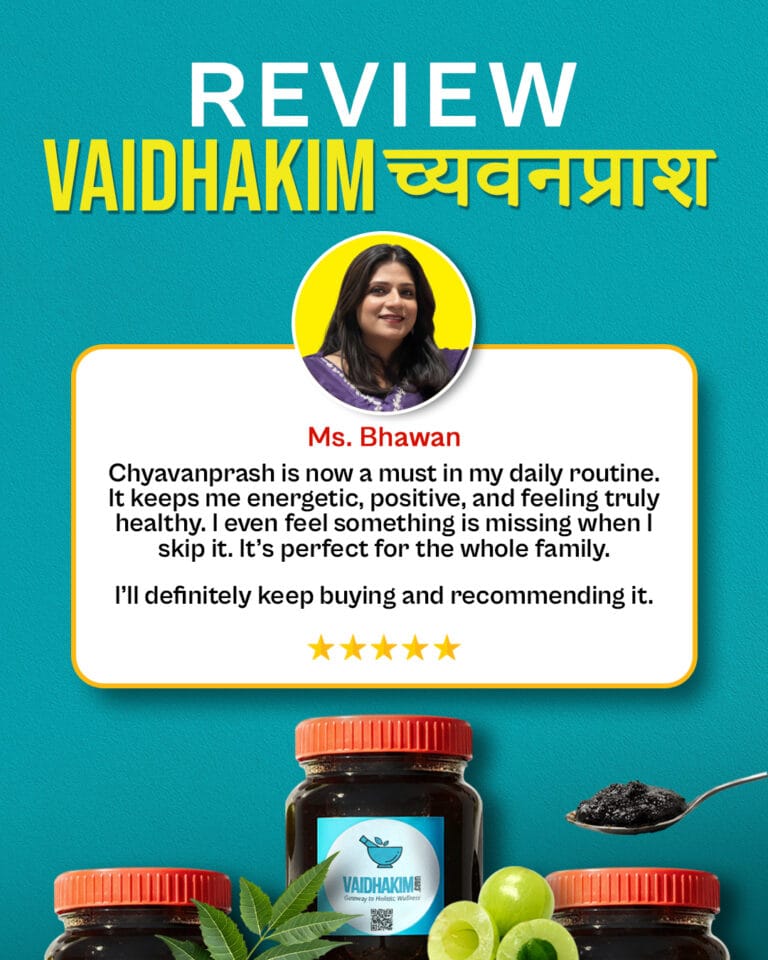
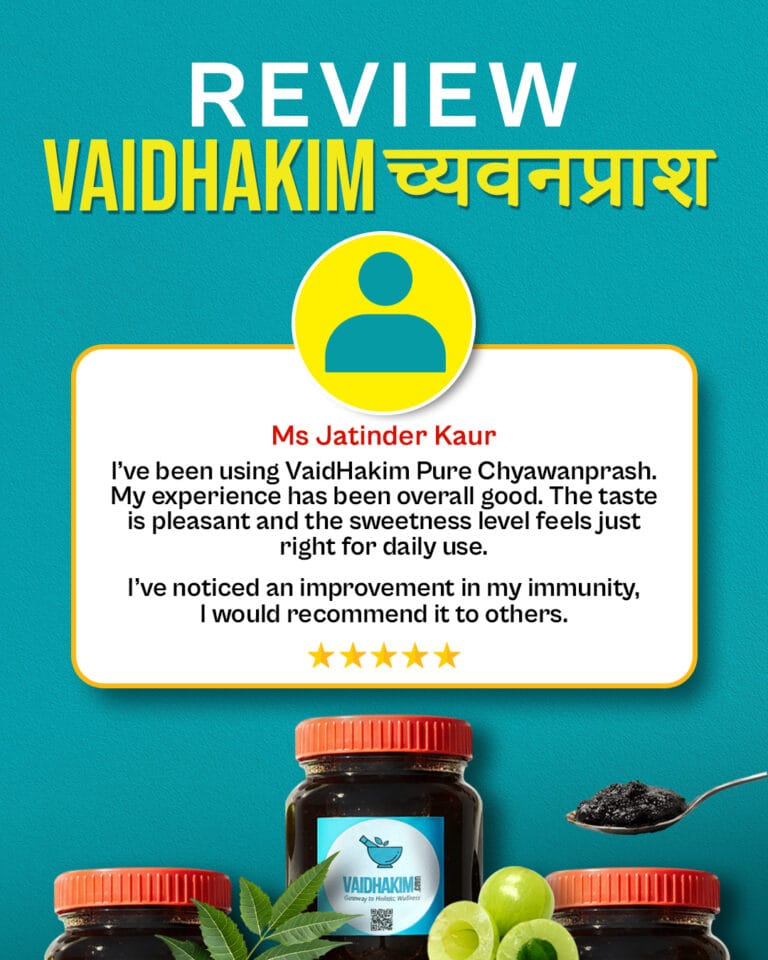
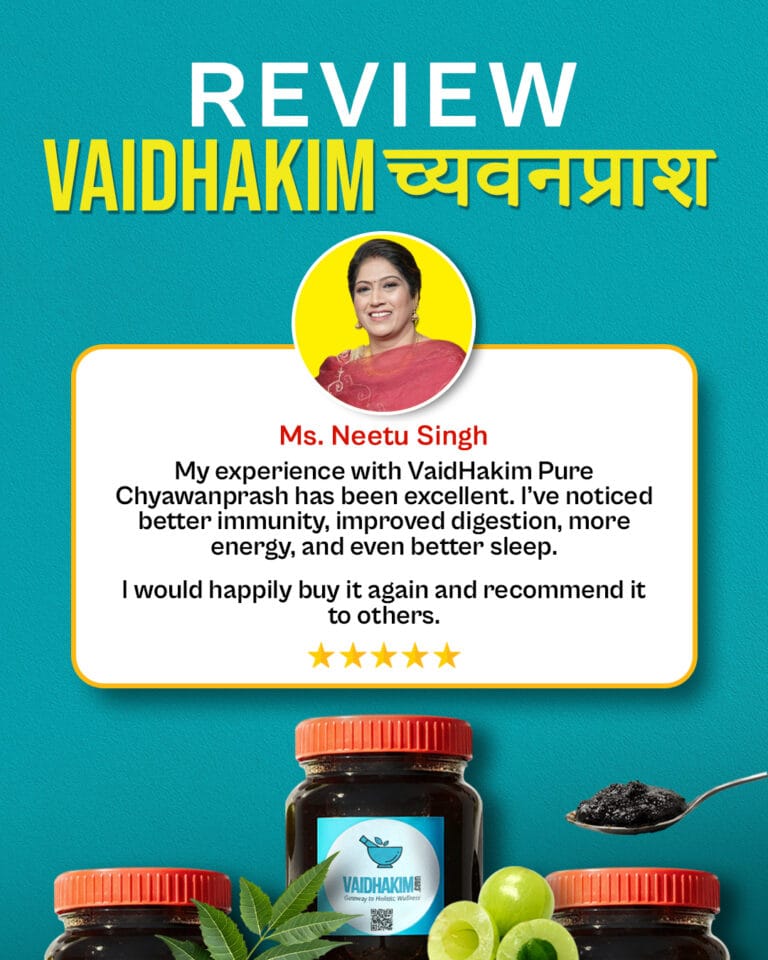
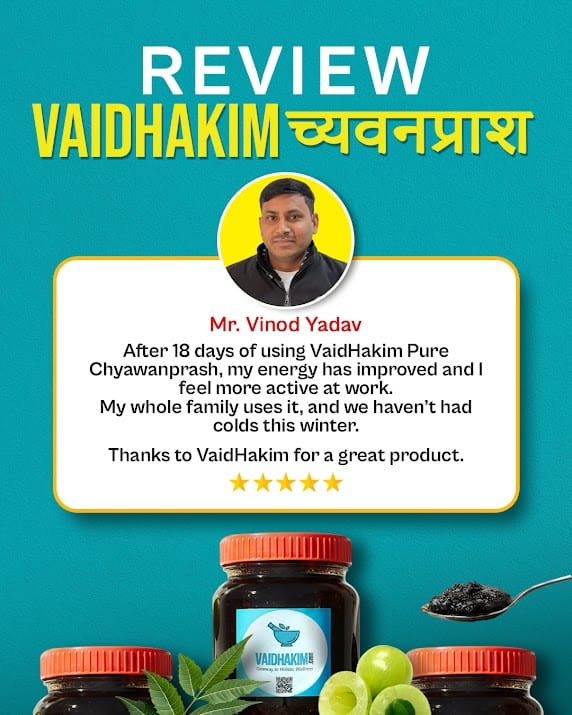
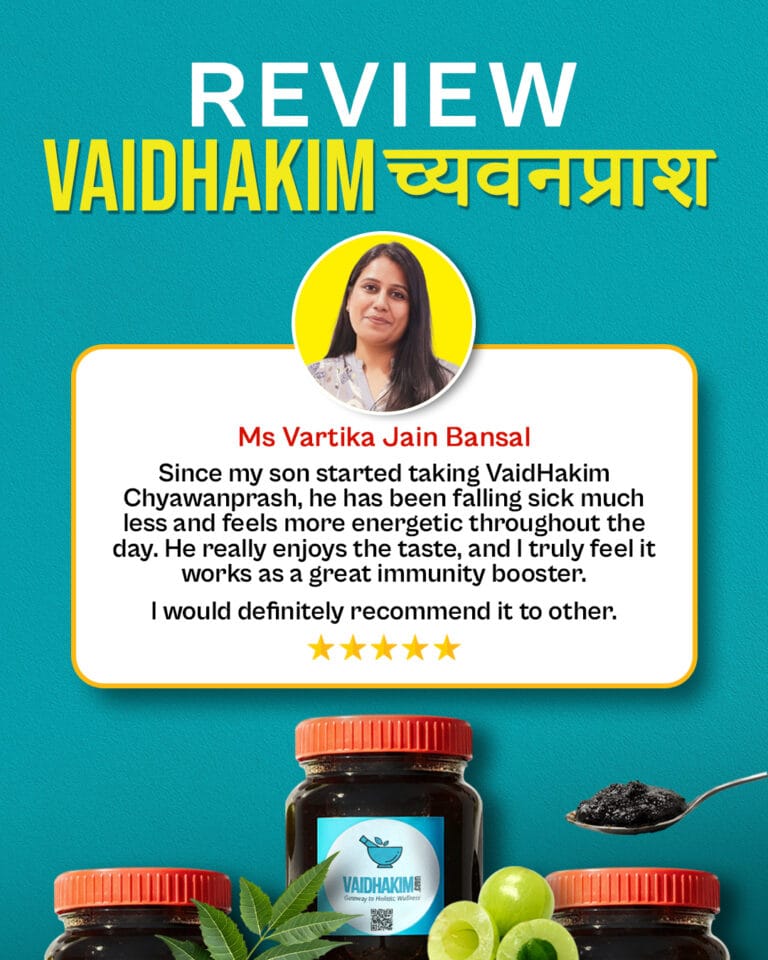
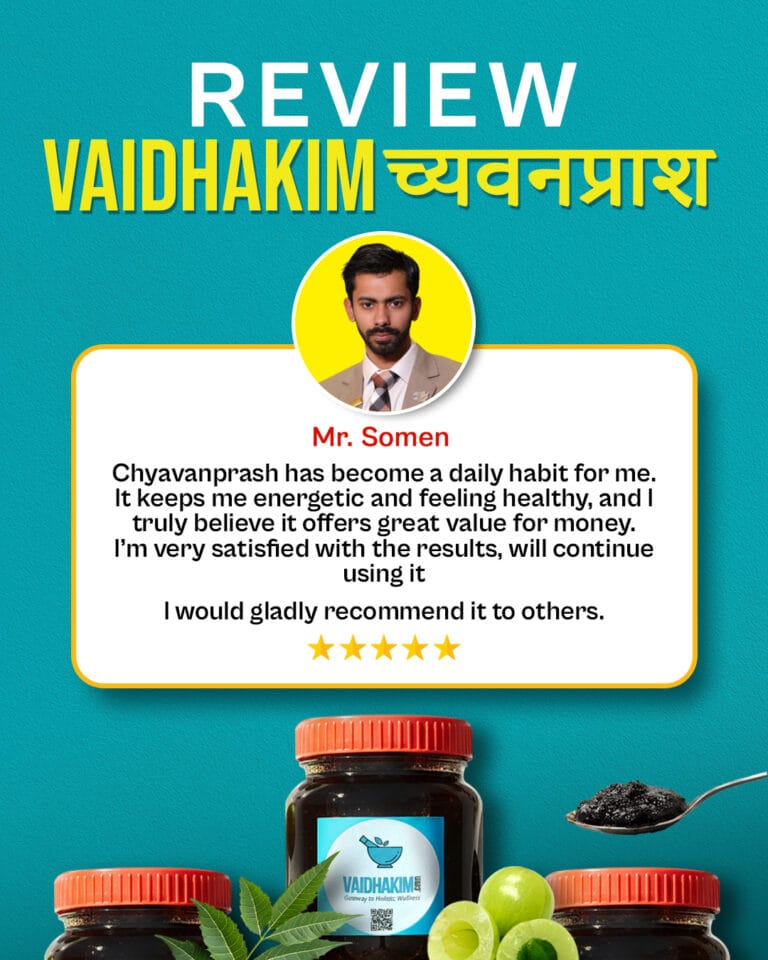

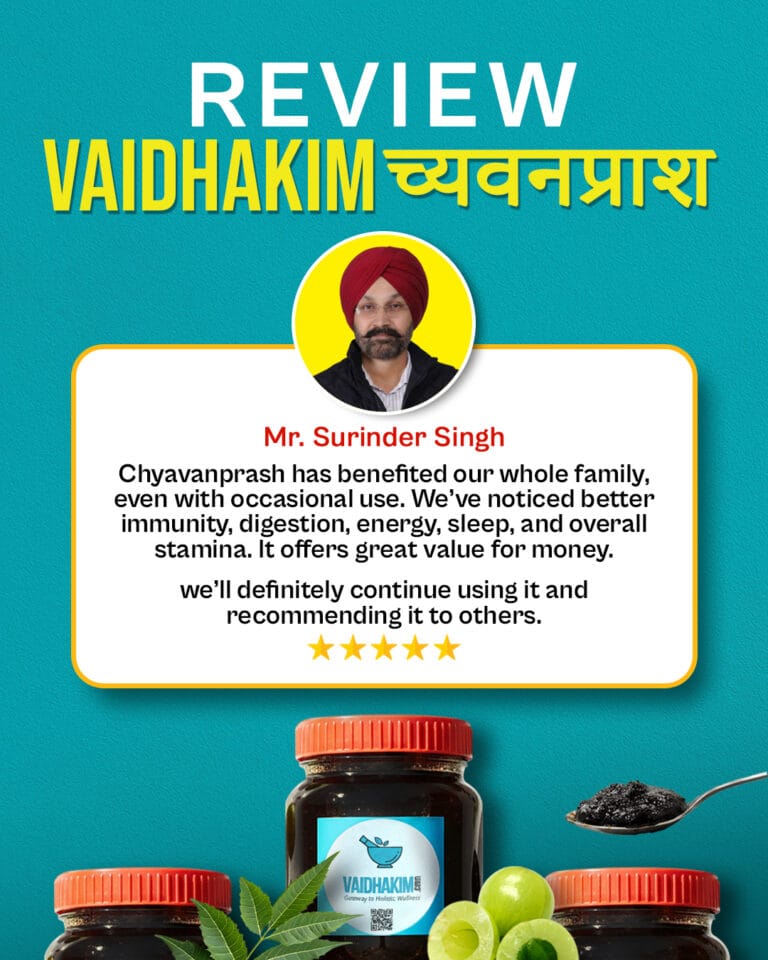
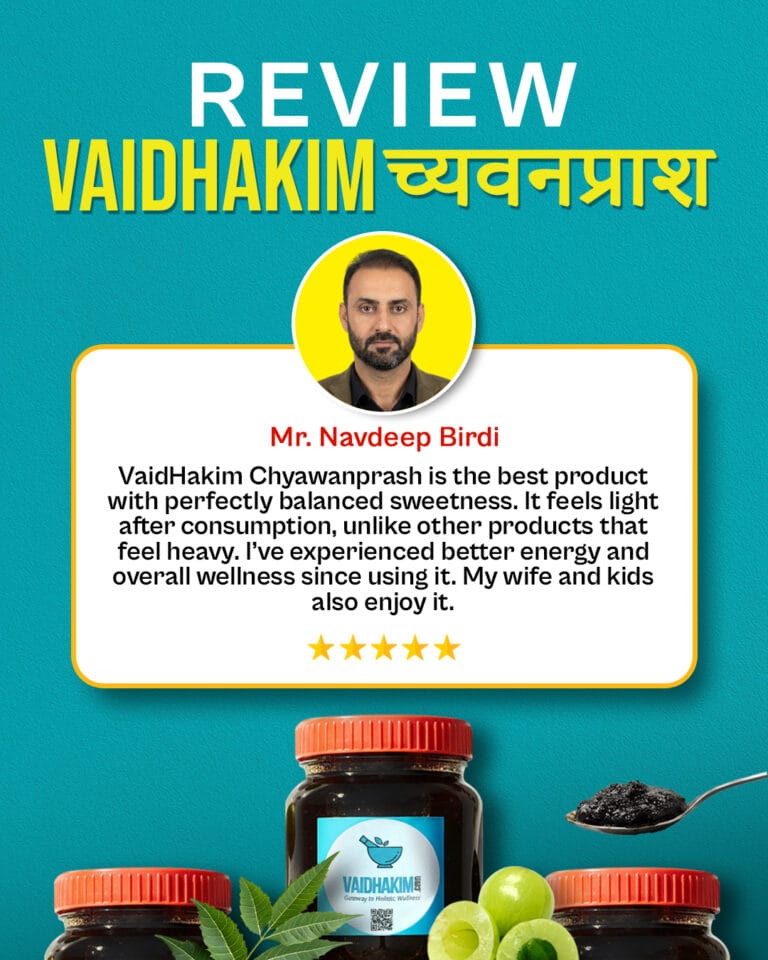
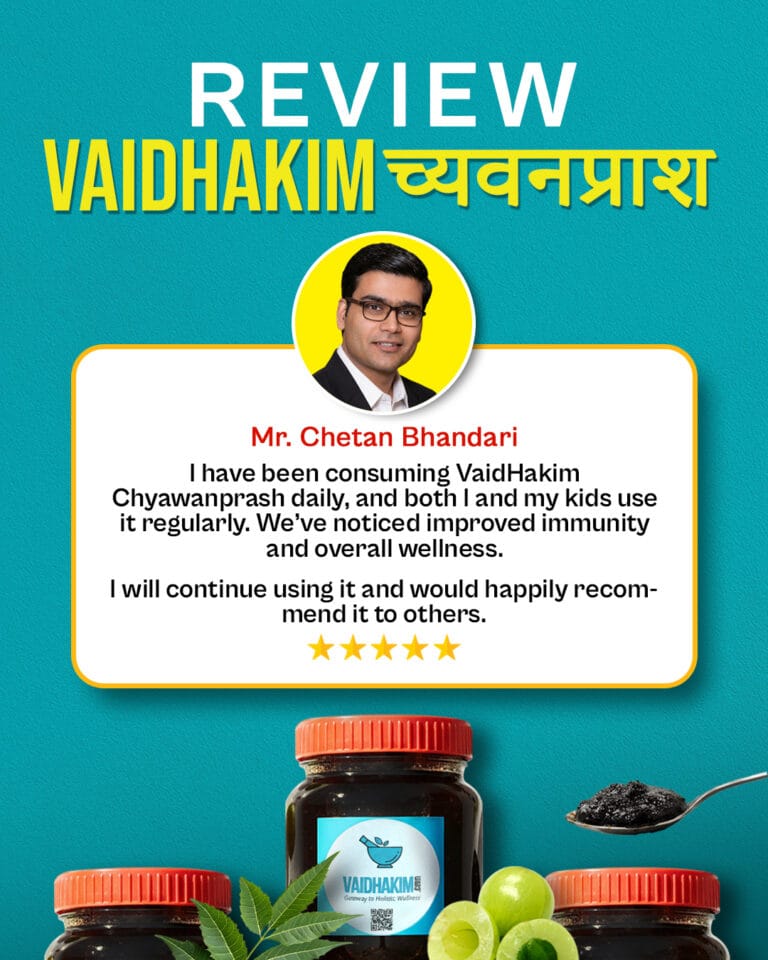
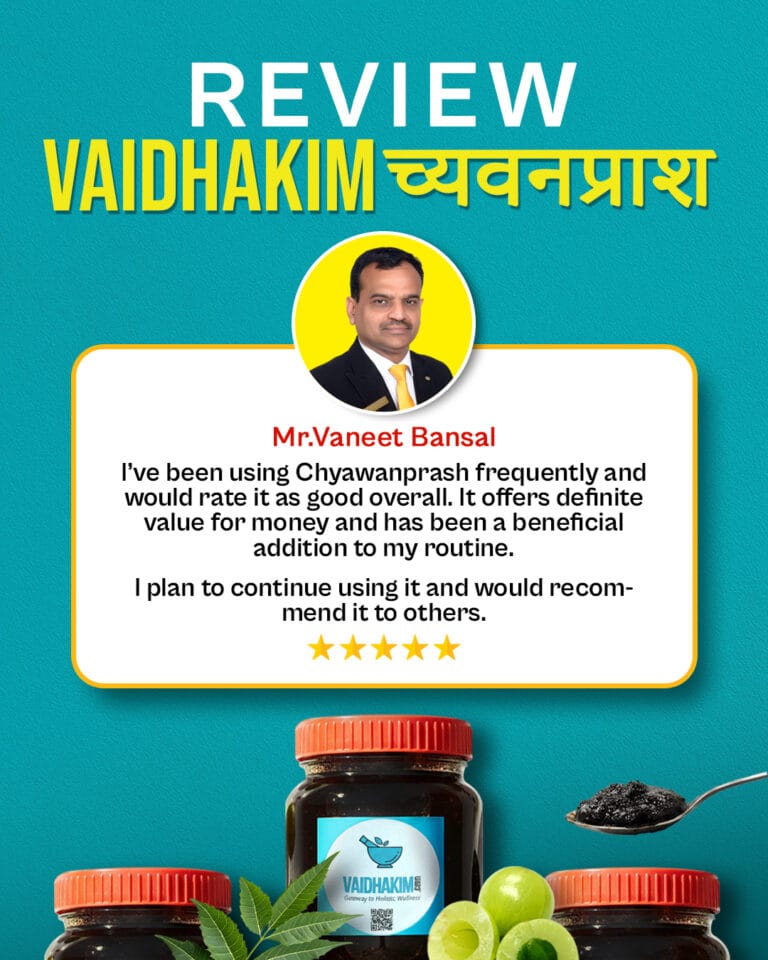
Voices of Trust from Our Happy Customers
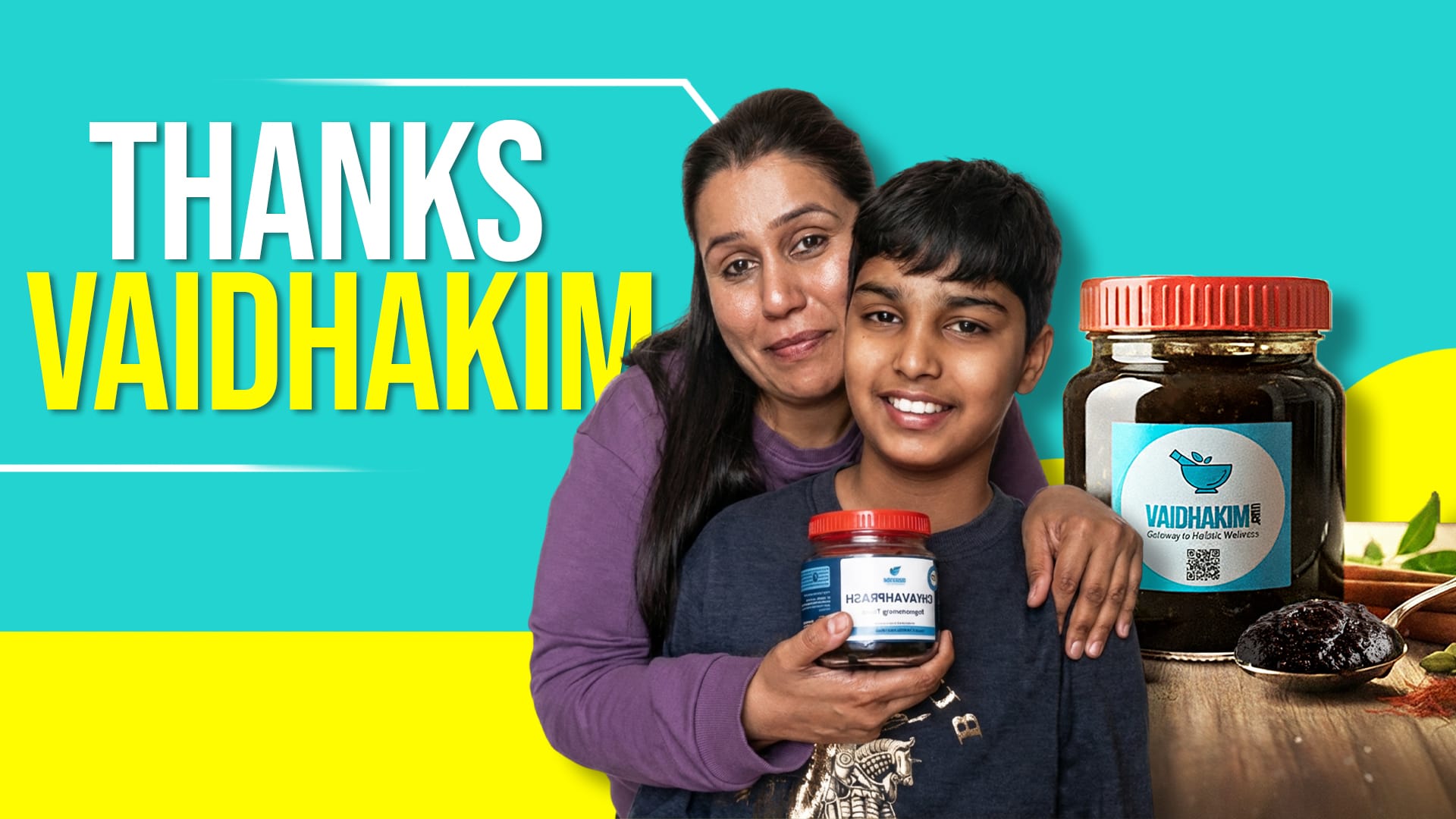
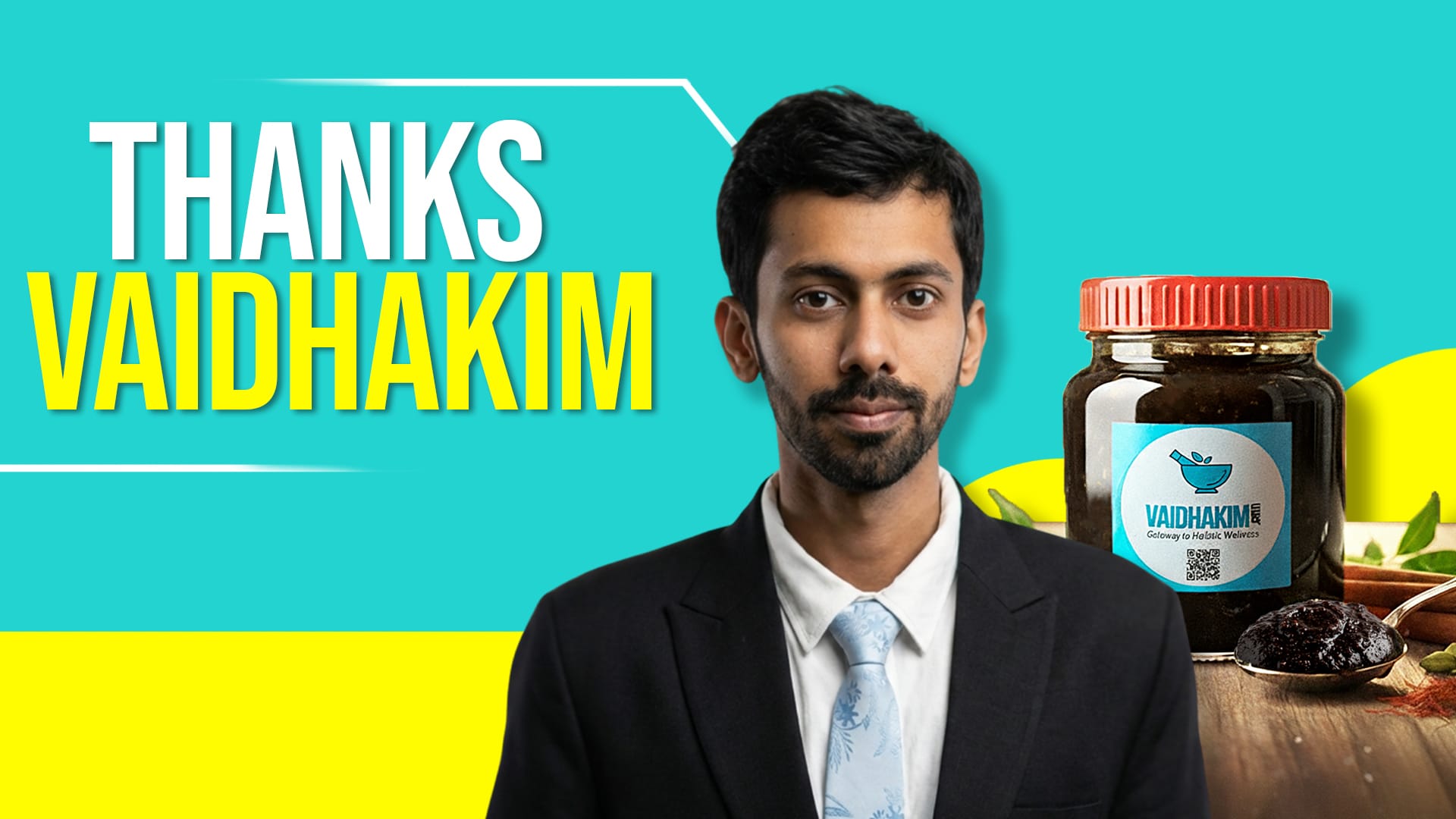
Authentic video testimonials from people who experienced real benefits
FAQs
Infant to late adults
With warm milk or warm water, Preferably with warm milk, alternate- Vegan milk
- Infant – pea size –
- Child – ½ teaspoon
- Adolescent – 1 teaspoon
- Adult – 1 – 0 – 1 teaspoon
- Aged – ½ teaspoon
Diwali to Basant (October to March)
This period is considered the golden season for Chyavanprash consumption in Ayurveda.
Sahiwal cow ghee is used which is rare and in itself has numerous benefits. Sahiwal cow ghee offers numerous health benefits, including improved digestion and gut health due to its butyric acid content, boosted immunity from vitamins A, D, E, and K, and enhanced brain function with omega-3 fatty acids. It also supports bone strength, skin and hair health, and can aid in weight management due to its metabolism-boosting properties and conjugated linoleic acid (CLA). The A2 protein in Sahiwal milk makes its ghee easier to digest for many, even those with lactose sensitivities.
“Chyavanprash doesn’t expire the way regular food products do. As an Ayurvedic rasayana, its potency actually enhances with age. Just like fine wine — the older it gets, the better it becomes.”
1. Naturally grown (no farming stress)
Jungle amlas grow wild in forests, without chemical fertilizers, pesticides, or artificial irrigation. Local amlas are usually cultivated for higher yield, sometimes using chemicals.
2. Stronger medicinal potency
Because jungle amlas grow in tough natural conditions (less water, wild soil, climate stress), they develop higher concentration of active compounds like:
• Vitamin C
• Antioxidants
• Tannins
This makes them more powerful therapeutically.
3. Slower growth = better quality
Wild amlas grow slowly, absorbing minerals from deep forest soil. Cultivated amlas grow faster, focusing more on size than potency.
4. Taste & texture difference
• Jungle amla: More sour, slightly bitter, fibrous (a sign of richness in tannins)
• Local amla: Milder taste, more watery
In Ayurveda, strong taste often means strong medicine.
5. Preferred in classical Ayurveda
Traditional Ayurvedic texts recommend van amla (wild amla) for preparations like:
• Chawanprash
• Rasayana medicines
If dinner is taken very late, Chyavanprash can still be taken, provided there is a minimum gap of 30 minutes between the meal and Chyavanprash.
It can be taken with warm milk for better digestion.
Yes. Overweight persons can safely take Chyavanprash when it is taken in the right quantity, at the right time, and in the right way.
They should take ½ teaspoon of Chyavanprash with warm milk.
If there is no proper gap between dinner and sleep, it is not advisable to take Chyavanprash at night.
In such cases, Chyavanprash should be taken in the morning, either 30 minutes before or 30 minutes after breakfast, with warm milk.
DISCLAIMER
Vaidhakim Chyavanprash is a traditional Ayurvedic formulation designed to support immunity, strength, and overall well-being. It is not intended to diagnose, treat, cure, or prevent any disease. Individual results may vary based on body type and lifestyle. Please consult your healthcare provider if you have any medical conditions, allergies, or are on medication.
Copyright © 2025 VaidHakim Gateway to holistic wellness. All rights reserved.

 Google